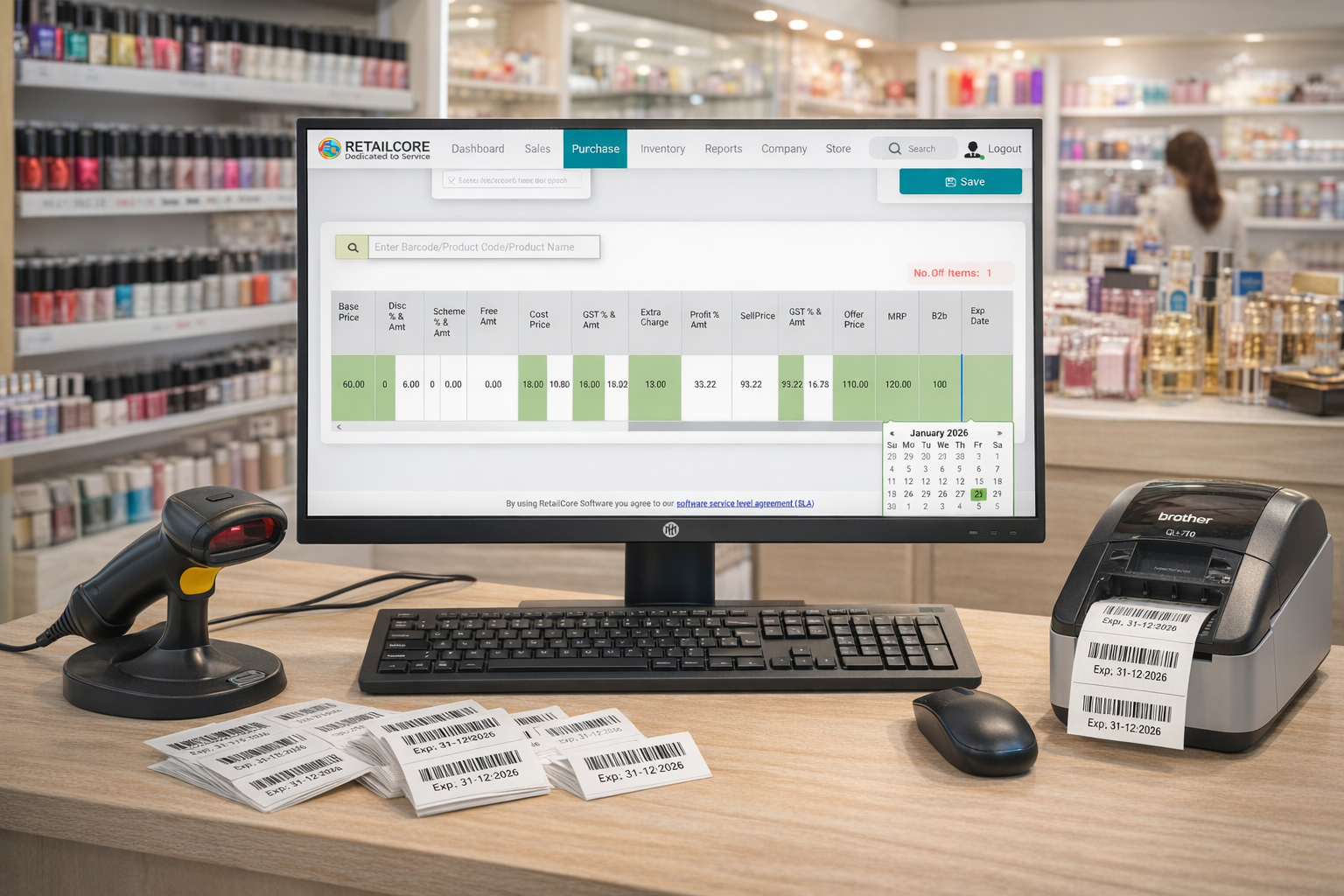
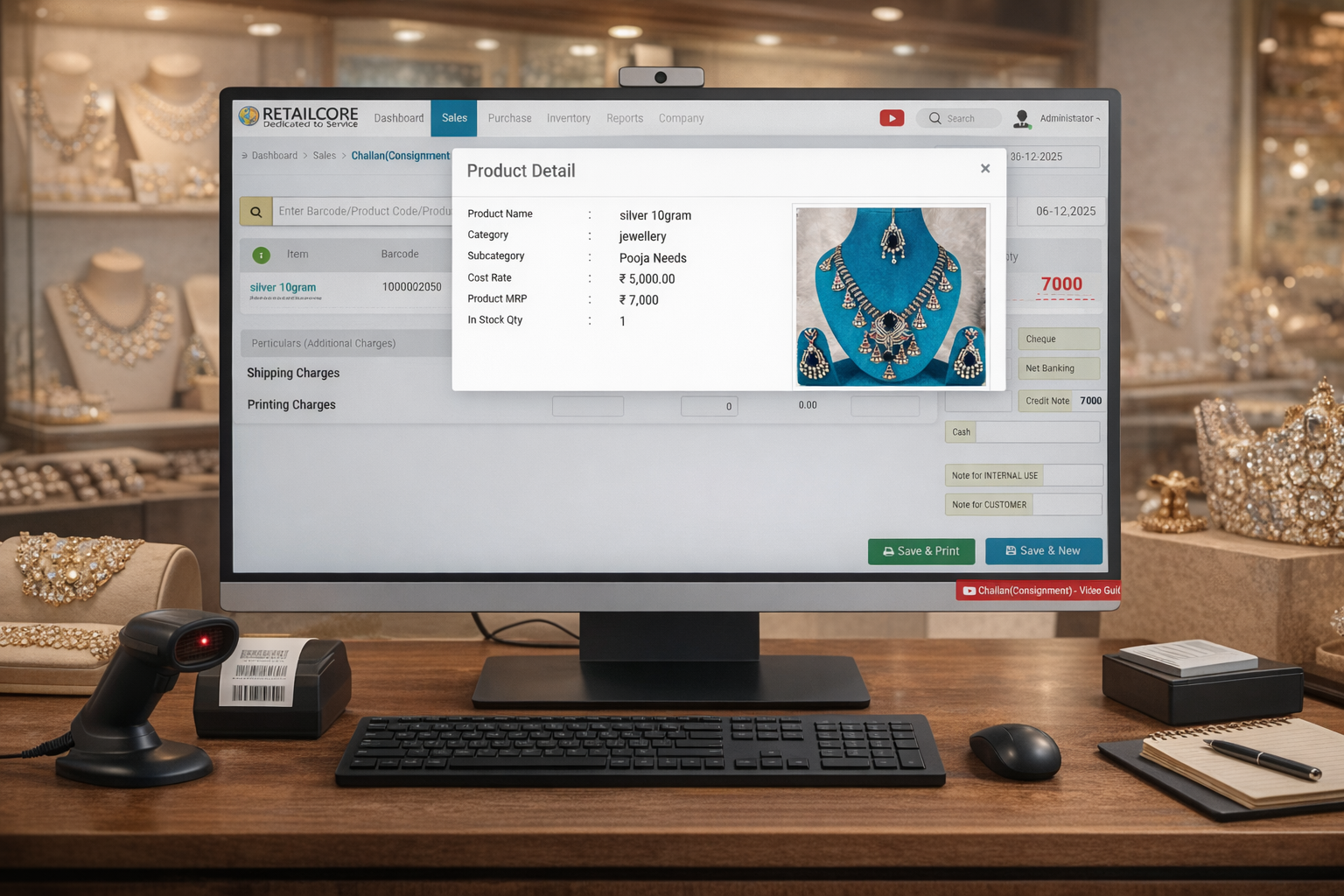
 Many successful retail businesses in India start with the owner’s hard work, personal involvement, and excellent memory.
In the early days, everything seems manageable.
- “I know which products sell fast.”
- “I remember which customer bought what.”
- “I know which supplier gives better rates.”
- “My staff knows where everything is.”
For a small shop with limited products, this approach works.
But as the business grows, memory becomes one of the biggest limitations to growth.
🔥 Book Free Demo of RetailCore
Why Memory-Based Retail Management Eventually Fails
As stores grow, complexity increases.
- More products
- More customers
- More employees
- More suppliers
- Multiple branches
- Thousands of transactions
No human memory can accurately manage all this information.
Eventually, confusion starts appearing everywhere.
Sign #1: Inventory Exists But Nobody Can Find It
This situation is common in boutiques, gift stores and fashion retailers.
Customer asks:
Staff starts searching shelves and storage areas.
After ten minutes:
“Sorry madam, stock finished.”
Later, the product is discovered somewhere else in the store.
The sale is already lost.
Case Study: Boutique Store in Surat
A women’s boutique depended heavily on the owner’s memory.
She knew:
- Which colors sold well
- Customer preferences
- Inventory locations
- Supplier details
As inventory crossed several thousand products, problems started.
- Duplicate purchases increased
- Stock mismatches became common
- Staff depended on the owner
- Customers experienced delays
How RetailCore Helped
- Barcode inventory system
- Size-wise stock visibility
- Fast product search
- Customer purchase history
- Sales reports
Sign #2: Staff Dependency Becomes Dangerous
Many retailers depend heavily on experienced employees.
When such employees leave, business operations suffer.
- Inventory knowledge disappears
- Customer relationships are affected
- Billing slows down
- Mistakes increase
Case Study: Gift Store in Ahmedabad
A gift store had one senior employee who knew almost everything.
- Product locations
- Prices
- Popular items
- Customer preferences
When he resigned, operations became chaotic.
RetailCore Solution
- Barcode inventory
- Product master database
- Customer history
- Centralized reports
Sign #3: Purchasing Decisions Are Based On Guesswork
Many retailers purchase inventory based on memory.
They assume:
- “This product sells well.”
- “Customers always buy this.”
- “Let’s reorder more.”
But assumptions often lead to dead stock.
Case Study: Toy Store in Mumbai
A toy retailer relied on intuition while purchasing.
Trend-based toys were purchased in excess.
After six months:
- Slow-moving inventory increased
- Cash flow suffered
- Shelf space became blocked
RetailCore Solution
- Fast-moving reports
- Slow-moving reports
- Sales analysis
- Inventory visibility
Sign #4: Customer Relationships Depend On Memory
Fashion jewellery stores and boutiques often remember customers personally.
Initially this creates strong relationships.
However, as customer numbers increase, remembering:
- Birthdays
- Purchase history
- Preferences
- Sizes
becomes impossible.
RetailCore CRM helps maintain these relationships systematically.
Sign #5: Multi-Store Growth Becomes Difficult
Memory-based businesses struggle when:
- Second store opens
- Inventory increases
- Staff count grows
- Multiple locations are added
Without systems, growth creates confusion.
How Smart Retailers Replace Memory With Systems
Barcode Inventory
- Faster stock identification
- Reduced errors
Customer CRM
- Purchase history
- Repeat customer tracking
Fast & Slow Moving Reports
- Data-driven purchasing
- Reduced dead stock
Stock Audits
- Better inventory accuracy
Multi-Store Visibility
- Centralized control
- Branch inventory management
How RetailCore Helps Retailers Build Systems
RetailCore provides:
- Barcode billing
- Barcode labels
- Inventory management
- Customer CRM
- Fast and slow moving reports
- Employee management
- Multi-store management
- Stock audits
- Sales analysis
Ready to Build Systems Instead of Depending on Memory?
Discover how RetailCore helps retailers improve inventory visibility, customer management, and business control.
🚀 Book Free Demo of RetailCore
Final Thoughts
Many retail businesses begin with hard work and memory.
But long-term growth requires systems.
As stores expand, memory becomes unreliable.
Inventory confusion, staff dependency, dead stock, and customer service problems start appearing.
Successful retailers replace memory with processes and systems.
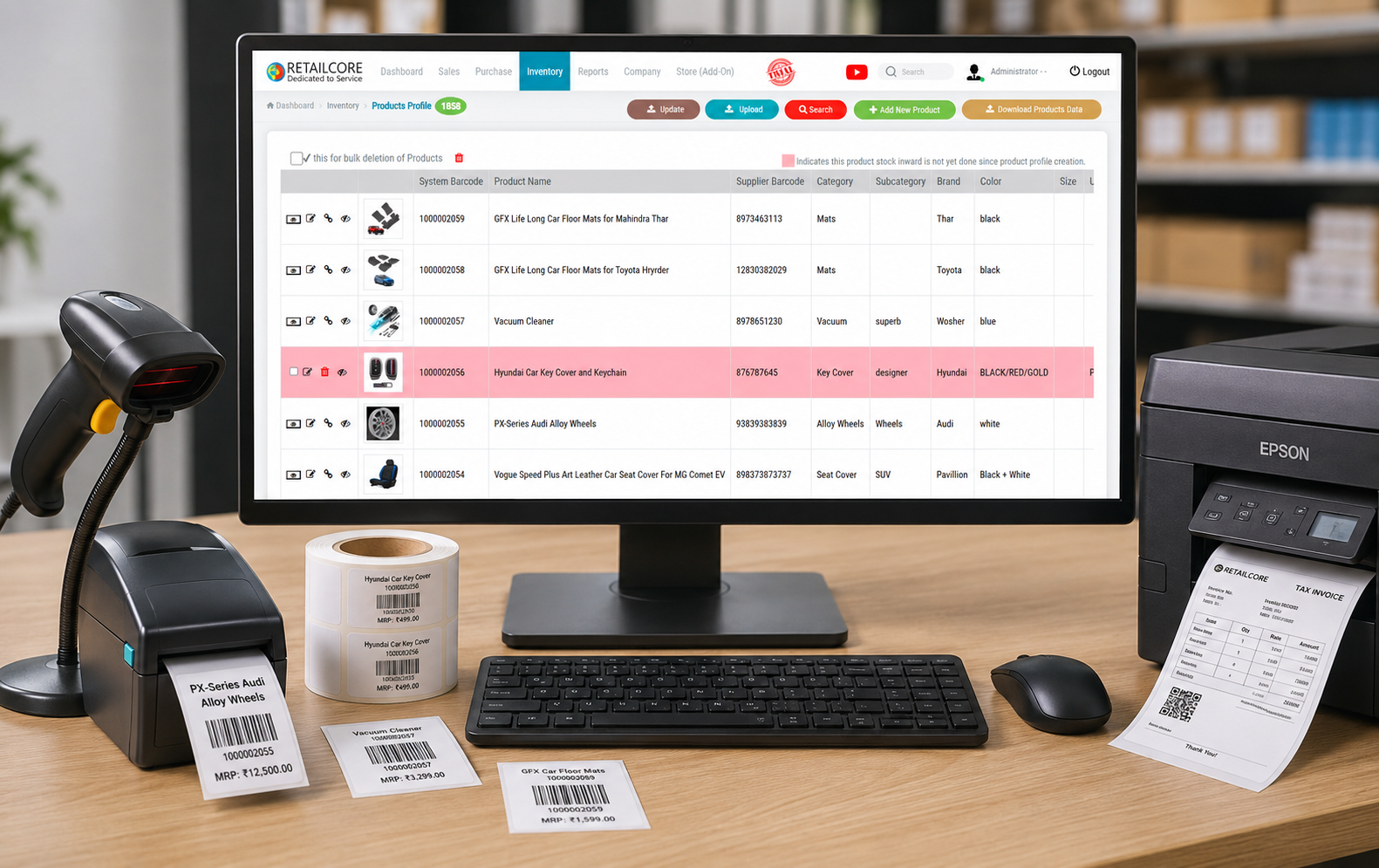
Barcode Inventory Management: The Complete Guide for Retail Stores
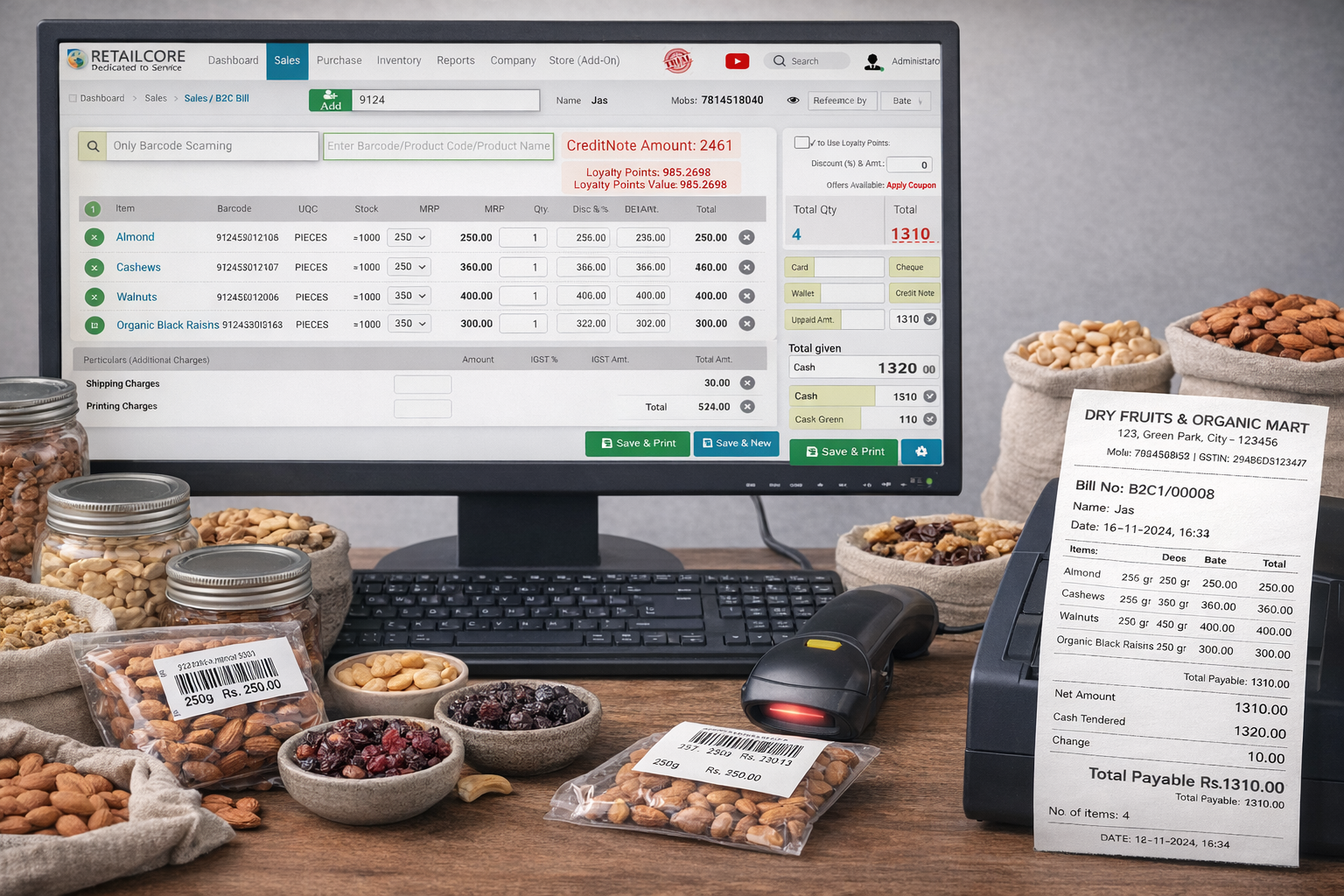
15 Proven Strategies to Reduce Dead Stock and Improve Cash Flow